Step into the world of Library Reading Programs where literacy thrives and knowledge abounds. Discover the magic of stories and the power of reading in this engaging exploration of programs that cater to all ages.
From children to adults, libraries are not just buildings but gateways to imagination and learning. Let’s dive into the realm of literature and libraries to uncover the secrets they hold.
Library Reading Programs
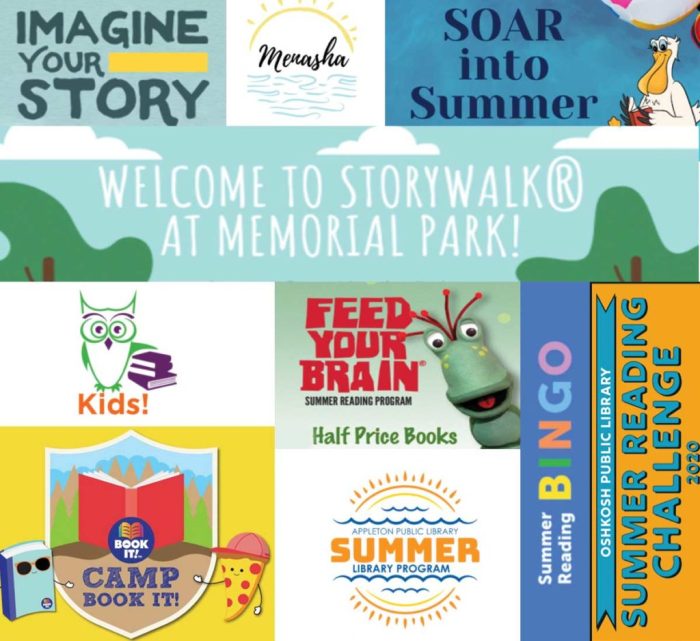
Library reading programs play a crucial role in promoting literacy by encouraging reading habits and fostering a love for books among individuals of all ages. These programs provide access to a wide range of materials, including books, magazines, and digital resources, to support learning and knowledge acquisition.
Examples of Successful Library Reading Programs
- The Summer Reading Challenge in the UK: This program encourages children to read during the summer holidays by offering rewards and incentives for completing reading goals.
- The D.E.A.R. (Drop Everything and Read) program in the United States: This initiative promotes reading by setting aside dedicated time each day for individuals to read independently.
- The National Year of Reading in Australia: This year-long campaign aims to raise awareness about the benefits of reading and literacy through various events and activities.
Benefits of Library Reading Programs for Different Age Groups
Library reading programs can benefit individuals of all ages, from children to adults, by:
- Children: Encouraging early literacy skills, expanding vocabulary, and fostering imagination and creativity.
- Teens: Providing opportunities for personal growth, critical thinking, and exploration of diverse perspectives through reading.
- Adults: Promoting lifelong learning, stress reduction, and cognitive stimulation through reading and engagement with literary works.
Literature and Libraries
Libraries and literature have a long-standing relationship as institutions of knowledge and culture. Libraries serve as gateways to the world of literature, housing vast collections of books, manuscripts, and other literary works that span genres and time periods.They play a crucial role in preserving and promoting literature through various programs and initiatives. Libraries often organize reading programs, book clubs, author events, and literary festivals to engage the community and foster a deeper appreciation for literary works.
By providing access to a wide range of literary resources, libraries help individuals explore diverse perspectives, voices, and ideas found in literature.One of the key roles of libraries is to foster a love for reading among people of all ages. Through storytelling sessions, reading challenges, and other activities, libraries encourage individuals to develop a habit of reading and discover the joy of immersing themselves in a good book.
These initiatives not only promote literacy but also nurture a lifelong passion for literature.
Preservation and Promotion of Literature
Libraries actively work to preserve literary works by digitizing rare manuscripts, organizing special collections, and partnering with publishers and authors to ensure the longevity of important literary works. Through exhibitions, workshops, and educational programs, libraries promote literature as a vital part of cultural heritage and encourage the exploration of diverse literary traditions.
Community Engagement and Literary Programs
Libraries play a vital role in engaging the community through literary programs that bring people together to discuss, analyze, and celebrate literary works. By hosting book discussions, poetry readings, and writing workshops, libraries create spaces for meaningful interactions and intellectual exchanges that deepen the public’s connection to literature.
Role in Education and Lifelong Learning
Libraries serve as invaluable resources for students, educators, and lifelong learners by providing access to a wealth of literary resources, research materials, and educational tools. They support academic pursuits, intellectual curiosity, and personal development by offering a diverse range of literary materials and educational programs that cater to the needs and interests of a wide audience.
Final Review
As we conclude our journey through Library Reading Programs, remember that the love for reading knows no bounds. Embrace the joy of books and continue to explore the wonders that libraries have to offer.
FAQ Overview
Why are library reading programs important?
Library reading programs are crucial in promoting literacy skills, fostering a love for reading, and creating a sense of community among readers of all ages.
Can adults participate in library reading programs?
Absolutely! Many libraries offer reading programs tailored specifically for adults, providing them with opportunities to explore new genres and authors.
How do library reading programs benefit children?
Library reading programs help children develop essential reading skills, expand their vocabulary, and nurture a lifelong love for books and learning.