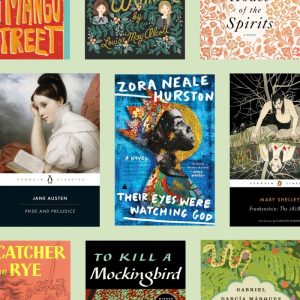
Embark on your book collecting journey with “How to Start a Book Collection: A Beginner’s Guide,” where we dive into the exciting world of building your literary treasure trove.
Discover the secrets to kickstarting your collection, finding rare gems, and preserving literary heritage in a captivating way.
Understanding Book Collecting
Book collecting is the hobby or activity of acquiring and preserving books, often focusing on specific genres, authors, editions, or themes.
Reasons for Starting a Book Collection
There are several reasons why people start collecting books:
- To preserve literary history and culture for future generations.
- For the love of reading and the desire to surround oneself with beloved books.
- As an investment, as rare or first edition books can increase in value over time.
- For the joy of hunting down unique and special books to add to a collection.
Benefits of Building a Book Collection
Building a book collection can offer various benefits:
- Intellectual enrichment through exposure to diverse ideas, perspectives, and writing styles.
- Personal fulfillment and satisfaction in curating a collection that reflects one’s interests and tastes.
- Opportunities for social connections and networking with fellow book enthusiasts.
- Potential financial gain through the appreciation of book values over time.
Getting Started

So, you’ve decided to start a book collection – that’s fantastic! Now, let’s dive into how you can get started on this exciting journey.
Identify Your Interests
Before you start collecting books, it’s important to identify the genres or topics that interest you the most. Whether it’s classic literature, science fiction, cookbooks, or art books, narrowing down your focus will help you build a more cohesive collection.
Setting a Budget
Setting a budget is crucial when starting a book collection. Determine how much you are willing to spend on each book and set an overall budget for your collection. Remember, collecting books can become addictive, so it’s important to establish financial boundaries from the beginning.
Where to Find Books
Now that you know what you want to collect and how much you’re willing to spend, it’s time to find books to kickstart your collection. Here are some places where you can find books:
- Local Bookstores: Visit your local bookstores to browse through their selection of new and used books.
- Thrift Stores: Thrift stores often have hidden gems waiting to be discovered at affordable prices.
- Online Marketplaces: Websites like eBay, Amazon, and AbeBooks are great places to find a wide range of books, both new and used.
- Library Sales: Many libraries hold book sales where you can find discounted books that are no longer needed in their collection.
Building Your Collection
Building a book collection is not just about acquiring as many books as possible, but rather focusing on quality over quantity. Here are some tips on how to build a valuable collection and organize it effectively.
The Importance of Quality Over Quantity
- Focus on collecting books that are in good condition, preferably first editions or signed copies.
- Quality books tend to hold their value better over time and can be more sought after by collectors.
- Consider the significance of the author, the book’s historical or cultural value, and its rarity when selecting books for your collection.
- Invest in books that truly interest you and align with your collecting goals, rather than simply amassing a large number of books.
Where to Find Rare and Valuable Books
- Visit local antique shops, secondhand bookstores, and estate sales to hunt for hidden gems.
- Attend book fairs, auctions, and online platforms specializing in rare books to discover valuable additions to your collection.
- Consult with book dealers, appraisers, and collectors to gain insights into the market and locate valuable books.
- Keep an eye out for limited editions, special bindings, and books with unique provenance that can enhance the value of your collection.
Organizing and Storing Your Collection
- Develop a cataloging system to keep track of your books, including details like title, author, publication year, and condition.
- Consider investing in bookshelves, bookcases, or display cabinets to showcase your collection and protect the books from damage.
- Use acid-free materials for storing books, such as archival boxes or sleeves, to prevent deterioration over time.
- Arrange your books by genre, author, or any other categorization that makes sense to you, making it easier to find and enjoy your collection.
Literature and Libraries
When it comes to book collecting, literature plays a crucial role in shaping preferences and interests. Literature appreciation often serves as the driving force behind building a diverse and meaningful book collection.
Libraries are essential in the world of book collecting, serving as valuable resources for research and exploration. They provide access to rare and out-of-print books, allowing collectors to expand their knowledge and hunt for unique editions.
The Role of Libraries
Libraries play a vital role in supporting book collecting endeavors by offering a wide range of resources and services:
- Access to rare and specialized collections that are not easily found elsewhere.
- Assistance from knowledgeable librarians who can help identify valuable editions and provide insights on specific authors or genres.
- Opportunities for networking with other book collectors and enthusiasts, fostering a sense of community and shared passion.
Preserving Literary Heritage
Book collections contribute significantly to preserving literary heritage by:
- Protecting and conserving rare and valuable editions for future generations to enjoy and study.
- Documenting the evolution of literature through different periods and genres, showcasing the diversity and richness of human creativity.
- Supporting academic research and literary studies by providing access to primary sources and historical texts.
Closing Notes
As we wrap up our exploration of starting a book collection, remember that every book holds a story, and every collection is a reflection of your unique literary taste. Start your collection today and let the adventure begin!
Question Bank
How do I know which genres or topics to choose for my book collection?
Explore your interests and choose genres that resonate with you personally. Your collection should reflect your unique tastes and preferences.
Are rare books worth investing in for a beginner collector?
While rare books can be valuable additions to your collection, it’s essential to research and understand the market before investing significant amounts.
What role do libraries play in book collecting?
Libraries can be valuable resources for research and expanding your collection. They provide access to a wide range of books that may not be easily obtainable elsewhere.